How to Choose a Pool Maintenance Company You Can Trust

Handing pool maintenance off to a professional should reduce stress, not add a new source of it. Yet the pool service industry has a wide range of quality, and choosing the wrong company can mean inconsistent visits, chemistry left unbalanced, or worse, equipment damage that goes unreported until it becomes expensive.

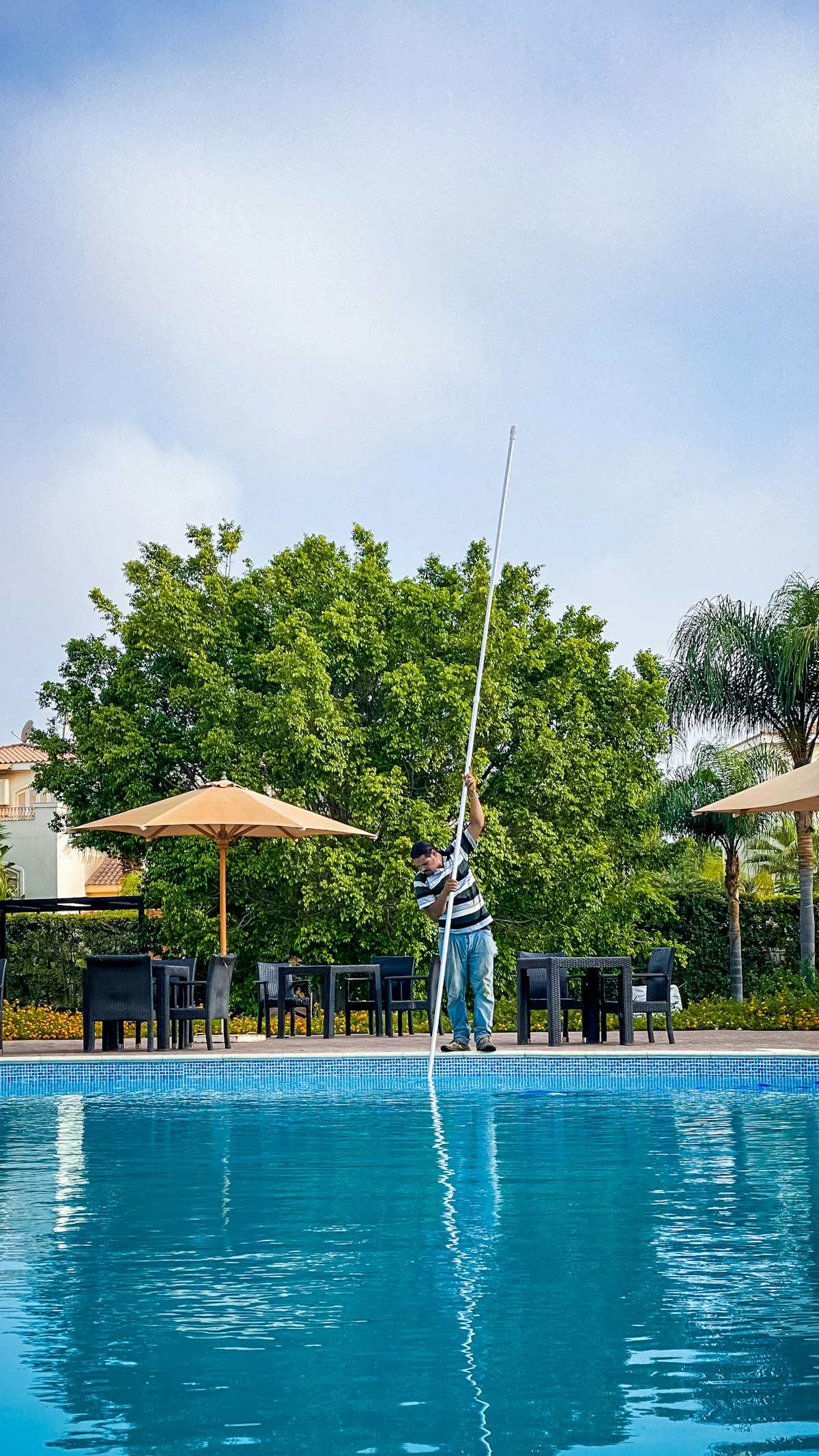
Pool service professional walking beside a backyard pool

Start With Licensing and Insurance

A legitimate pool service company should carry liability insurance and, depending on your area, appropriate licensing for pool maintenance work. This matters beyond paperwork: it protects you if equipment is damaged during service or if an injury occurs while a technician is on your property.

Ask What a Standard Visit Actually Includes

Pool service packages vary widely, and “weekly maintenance” can mean very different things between companies. Ask specifically whether a visit includes water testing, chemical balancing, skimming, filter checks, and equipment inspection, or whether some of these are billed as add-ons. Vague answers here are often a sign of vague service once you sign up.

Request References, and Actually Check Them

A company confident in its work will readily provide references from current clients, ideally ones who have used the service for at least a full season. A quick call to ask about consistency, communication, and how the company handles problems tells you more than any marketing material will.

Watch for These Red Flags

  • Pricing significantly below the local average, which often means shorter visits or corners cut on chemicals and attention
  • Reluctance to explain what caused a specific problem, rather than just fixing it and moving on without context

Communication Style Matters More Than It Seems

A good pool company tells you what they found, what they did, and what to watch for before you have to ask. If you consistently have to chase down information about your own pool’s condition, that is worth weighing as heavily as price when comparing options.

Deciding Between Full Service and a Hybrid Approach

Not every household needs full weekly service. Some owners prefer a hybrid approach, handling routine testing themselves while calling in a professional for seasonal transitions like opening and closing, or for occasional problem diagnosis. Our guide to hiring a pool company walks through how to evaluate which level of service actually fits your time and budget.

Trust Builds Over the First Few Visits

The clearest sign of a good fit is usually visible within the first month: consistent visit timing, clear communication, and water that stays balanced between visits rather than swinging noticeably. If those signs are not showing up early, it is worth addressing directly rather than assuming it will improve on its own, and if it does not improve, it is a reasonable enough reason to look elsewhere.
Common Pool Maintenance Mistakes New Owners Keep Making

First time pool owners tend to make a fairly predictable set of mistakes, most of them rooted in good intentions rather than carelessness. Recognizing these patterns early can save a full season of frustration and unnecessary chemical spending.

Over-Correcting Chemistry After One Bad Reading

A single off reading can trigger the instinct to add a large dose of chemical to fix it immediately. This often overshoots the target and creates a new imbalance in the opposite direction, starting a cycle of overcorrection that takes weeks to settle. Small, incremental adjustments followed by retesting almost always work better than one large correction.

Not Running the Filter Long Enough

Many new owners run their filter for a few hours a day to save on energy costs, not realizing that most residential pools need eight to twelve hours of circulation daily to keep water properly filtered and chemically balanced. Cutting filter time is one of the fastest paths to a cloudy pool, even with correct chemistry.

Ignoring the Filter Until Something Goes Wrong

Filters need regular cleaning on a schedule, not just when the water starts looking off. By the time cloudiness is visible, the filter has often been underperforming for days already. Building a routine cleaning schedule prevents this lag between the problem starting and it becoming noticeable.

Adding Chemicals in the Wrong Order

Alkalinity, pH, and sanitizer interact with each other, and adjusting them in the wrong order can undo the work of a previous adjustment. Alkalinity should generally be balanced first since it stabilizes pH, which in turn creates the right environment for sanitizer to work effectively.

  • Testing right after adding chemicals instead of waiting the recommended circulation time, which produces inaccurate readings
  • Assuming a clear looking pool means balanced chemistry, when clarity and chemical balance are related but not the same thing

Underestimating Seasonal Transitions

Spring opening and fall closing both carry their own set of easy mistakes, particularly rushing the process or skipping steps that seem optional. Our spring opening checklist and fall closing guide both cover the order that actually prevents problems rather than just creating extra work.

The Fastest Way Past the Learning Curve

Most of these mistakes correct themselves with a season or two of experience, but they can be expensive lessons in the meantime. New owners who want to skip the trial and error phase entirely often find that working with a pool company for the first year, even just for guidance, pays for itself in avoided mistakes alone.

Saltwater vs Chlorine Pools: Which One Actually Fits Your Family

The saltwater versus chlorine debate tends to get framed as one system being objectively better, but the honest answer depends on what a household actually values day to day. Both systems use chlorine to sanitize the water; the real differences are in how that chlorine gets there and what living with each system feels like.

How Each System Actually Works

A traditional chlorine pool relies on manually added chlorine, whether liquid, tablets, or granules, to sanitize the water directly. A saltwater pool uses a generator that converts dissolved salt into chlorine through electrolysis, producing a steady, automated supply rather than relying on manual dosing.

Comfort Differences Are Real, But Often Overstated

Saltwater pools are frequently marketed as gentler on skin and eyes, and many swimmers do notice less irritation compared to a heavily chlorinated traditional pool. That said, saltwater pools still contain chlorine, just at a more consistently regulated level, so the comfort difference often comes down to more stable sanitizer levels rather than the salt itself.

Upfront Cost Versus Long-Term Cost

Saltwater systems carry a meaningfully higher upfront cost due to the salt cell generator, often a difference of over a thousand dollars compared to a traditional setup. Over time, that gap narrows since saltwater pools typically need less manual chemical purchasing. Whether the long-term savings offset the initial investment depends largely on how many years you plan to keep the pool.

  • Salt cells generally need replacement every three to seven years, an added maintenance cost traditional systems do not have
  • Traditional chlorine systems have lower equipment cost but require more consistent manual chemical purchases and dosing

Maintenance Effort Day to Day

Saltwater systems tend to need less hands-on chemical management since the generator maintains a steadier chlorine level automatically. Traditional chlorine pools require more frequent manual dosing and closer monitoring, which some owners appreciate for the direct control it gives them, and others find to be more of a chore than they want to take on regularly.

Equipment and Surface Considerations

Saltwater can be more corrosive to certain metal pool equipment and some finishes over time, so it is worth confirming your pool’s existing equipment and surfaces are rated for saltwater use before converting an existing chlorine pool. This is less of a concern for pools built with saltwater compatibility from the start.

Making the Choice for Your Household

Families who want a steadier maintenance experience and do not mind the higher upfront cost often lean toward saltwater. Owners who prefer lower equipment costs and do not mind a more hands-on chemical routine, described in our guide to pool water testing, tend to stick with traditional chlorine. Neither choice is wrong, and both, when maintained properly, deliver clean, safe water for years of use.

How Often Should You Really Test Your Pool Water?

Most pool owners have heard they should test their water regularly, but the actual frequency that makes sense depends heavily on how the pool is used and what season it is. A single fixed rule undersells how much testing needs change throughout the year.

The Baseline: Two to Three Times a Week

For a typical residential pool in regular use, testing pH, alkalinity, and sanitizer levels two to three times a week is a solid baseline. This catches drift before it becomes visible in the water, while not demanding daily attention that most owners simply will not sustain over a full season.

When to Test More Often

Certain situations call for a tighter testing schedule than the baseline. Heavy pool use, like a weekend with many swimmers, burns through sanitizer faster than normal days, and testing the following morning helps catch any drop before it becomes a bigger issue. The same applies after any significant rain, since incoming water dilutes chemistry and can shift pH noticeably, a pattern covered in more depth in our monsoon season maintenance guide.

Extreme Heat Changes the Schedule Too

During sustained heat waves, especially in dry climates, chlorine burns off faster and evaporation concentrates whatever is left in the water. Testing every two to three days rather than weekly during these stretches, as outlined in our desert heat pool care guide, catches the kind of rapid drift that only shows up during the hottest weeks of the year.

Seasonal Transitions Deserve Extra Attention

Right after spring opening and right before fall closing, water chemistry tends to be less stable than during the middle of the season. Testing daily for the first week or two after opening, and closely in the days leading up to closing, catches the kind of swings that are common during these transition periods.

Reading the Water Between Tests

Between formal tests, visual cues still matter. Cloudiness, an unusual smell, or eye irritation among swimmers are all signs worth testing immediately rather than waiting for the next scheduled check. Chemistry can shift faster than a routine schedule anticipates, particularly after unusual weather or heavy use.

What Consistent Testing Actually Buys You

The value of frequent testing is not precision for its own sake. It is catching small imbalances while they are still cheap and easy to correct, rather than discovering a problem once algae or cloudiness has already taken hold. A test strip costs pennies. A full algae treatment costs considerably more, in both money and the days of swimming you lose while the pool clears back up.

7 Signs Your Pool Filter Needs Replacing, Not Just Cleaning

Cleaning a pool filter solves most performance problems, but not all of them. At some point every filter reaches the end of its useful life, and continuing to clean a filter that actually needs replacing just delays a repair while your water quality quietly suffers in the meantime.

1. Cloudiness That Cleaning Does Not Fix

If you have cleaned the filter thoroughly and the water is still cloudy within a day or two, the filter media itself may be worn out or damaged rather than simply dirty. Sand filters lose effectiveness as the sand breaks down over years of use, and cartridge filters develop microtears that let fine particles pass straight through.

2. Pressure That Will Not Come Back Down

A properly functioning filter shows a predictable pressure rise between cleanings, then drops back to baseline once cleaned. If pressure stays elevated even right after a thorough cleaning, that often points to internal damage or media that is too compacted to clean effectively anymore.

3. Visible Cracks or Damage to the Housing

Cracks in a filter tank, even small ones, are not something to work around. Beyond the leak risk, a compromised housing cannot maintain the pressure the system needs to filter properly, and the damage tends to worsen quickly once it starts.

4. Sand or Media Appearing in the Pool

If you notice sand or filter media in the pool itself, that usually means a lateral or internal component has failed, allowing media to bypass the filtration process entirely. This is a clear replacement signal rather than a cleaning issue.

5. A Filter Older Than Its Expected Lifespan

Sand filter media typically needs replacing every five to seven years, while cartridge filters often need full replacement every few years depending on use. If your filter is well past its expected lifespan and performance has been slipping, age alone is a reasonable factor in the replace-versus-clean decision.

6. Rising Chemical Use With No Other Explanation

When a filter stops working efficiently, sanitizer has to work harder to compensate for particles and contaminants the filter should be catching. If your chemical costs have crept up without a clear seasonal reason, covered in more detail in our desert heat pool care guide, a struggling filter is worth ruling out.

7. Unusual Noise or Vibration During Operation

A filter that has developed internal damage sometimes produces noise or vibration that was not present when it was new. This is less definitive on its own but worth combining with the signs above when deciding whether a repair or full replacement makes more sense.

When to Call a Professional

Diagnosing whether a filter needs cleaning, repair, or full replacement is not always obvious from the surface. If you are seeing two or more of these signs at once, it is usually worth having a professional assessment before spending money on a replacement that may not have been necessary, or worse, continuing to clean a filter that needed replacing months ago.

What Pool Filter Equipment Is Essential for Pool Maintenance

Having a pool requires using a lot of equipment to keep and maintain the pool. This article will discuss the most common equipment that is used in a pool, your pool filter, and what you should look for in that filter equipment.

Pool filters are essential in filtering out the gunk from your pool and keeping it sparkling clean. There are three basic types of pool filters that are commonly used, sand, cartridge, and diatomaceous earth (DE) filters. Different parts of the world have different preferences but most consider DE filters to be the highest quality and best at killing insects and removing them from the pool.

sand filterSome people prefer sand filters as they work by using sand to remove the big particles and backwashing water out of the sand to clean it out. When the sand is dirty it is thrown away and these filters require some manual labor. Cartridges are some of the most popular filter options out there as they are easy to maintain and require little effort to do so. They simply have to be washed out twice a year with hose water. However, cartridge filters will not remove all of the small particles that DE filters do and are more expensive than sand filters.


DE filters provide for the cleanest pool and contain microscopic diatomaceous earth on the filter which removes even the tiniest particles from your pool. The diatomaceous earth is embedded on the filter screen and will remove even the tiniest particles from the water in your pool and serve as a way of removing insects. While these are efficient and effective they are often more expensive than the other types of pool filters mentioned in this article.

Beyond the type of pool filter that you choose, other factors go into how successful the pool filter that you have is. One of those factors is the size of the filter and this should be kept in mind just as much as filter type when you are buying one.

Saving Money on Pool Maintenance

People get pools for many reasons including the convenience they provide, the ability to swim in private, and the added exercise that they get from using their pool. Saving money is never a factor and pools have a reputation of being expensive, particularly from a maintenance standpoint. People have even called a pool that whole in the ground that you throw money into. While pools are irrefutably more expensive than a grass-covered yard, there are ways to cut down on your costs with affordable maintenance steps.

The most essential way to save money with pool maintenance is to perform the maintenance yourself and without the assistance of a pool maintenance company. To do so you will obviously need to get acquainted with the basics of pool maintenance including using the right chemicals, the untracked of pool ph levels, and the appropriate pool filters and equipment needed to maintain your pool.

All of this takes time and patience but is hardly impossible to do. To maintain a pool on your own spend time reading the manufacturers’ recommendations for your pool equipment. Learn about the pool pump and make sure you understand what maintenance you need on the equipment and the typical life for each part.

pool maintenance costsThe key to maintaining your pool is planning and regularity. Use a good quality pool cover during the winter and off months and be sure to skim your pool for debris every few days even if you aren’t planning on using your pool. If reasonable to do so, remove all foliage and nearby trees and purchase a high-quality pool vacuum that you use regularly. Test your pool regularly and don’t be afraid of using chemicals in your pool to kill off unwanted pool invaders.

Next, you should consider pool chemicals and what is typically involved in maintaining the pool ph balance. Pool chemicals will likely make up a significant portion of the cost of your pool maintenance and finding ways to purchase pool chemicals cheaply can save you a lot of money. Find out where pool maintenance stores buy their supplies and don’t be afraid to buy pool chemicals in bulk as they don’t go bad for many years.

Finally, be sure to consider the amount of time that you spend on pool maintenance and see if paying the premium for a maintenance contract is worthwhile. While professional pool maintenance is expensive it may be worth it if you are able to use your pool for its intended purpose; resting and relaxing.